We returned to Newfoundland’s Avalon Peninsula in 2026 with a particular wildlife experience in mind—watching humpback whales feeding just offshore at St. Vincent’s Beach.
During our 2024 visit, we had arrived too early to see the whales that sometimes gather near the beach when capelin move into the area. Hoping for better timing, we planned our return trip for late June and early July, spending three nights in St. Vincent’s around the July 4th weekend.
Unfortunately, nature had other plans. The capelin weren’t running in significant numbers during our stay, and the close-up whale encounters we had hoped for never materialized.
But what we discovered instead became one of the most memorable wildlife experiences of our Newfoundland travels.
Returning to St. Vincent’s Beach
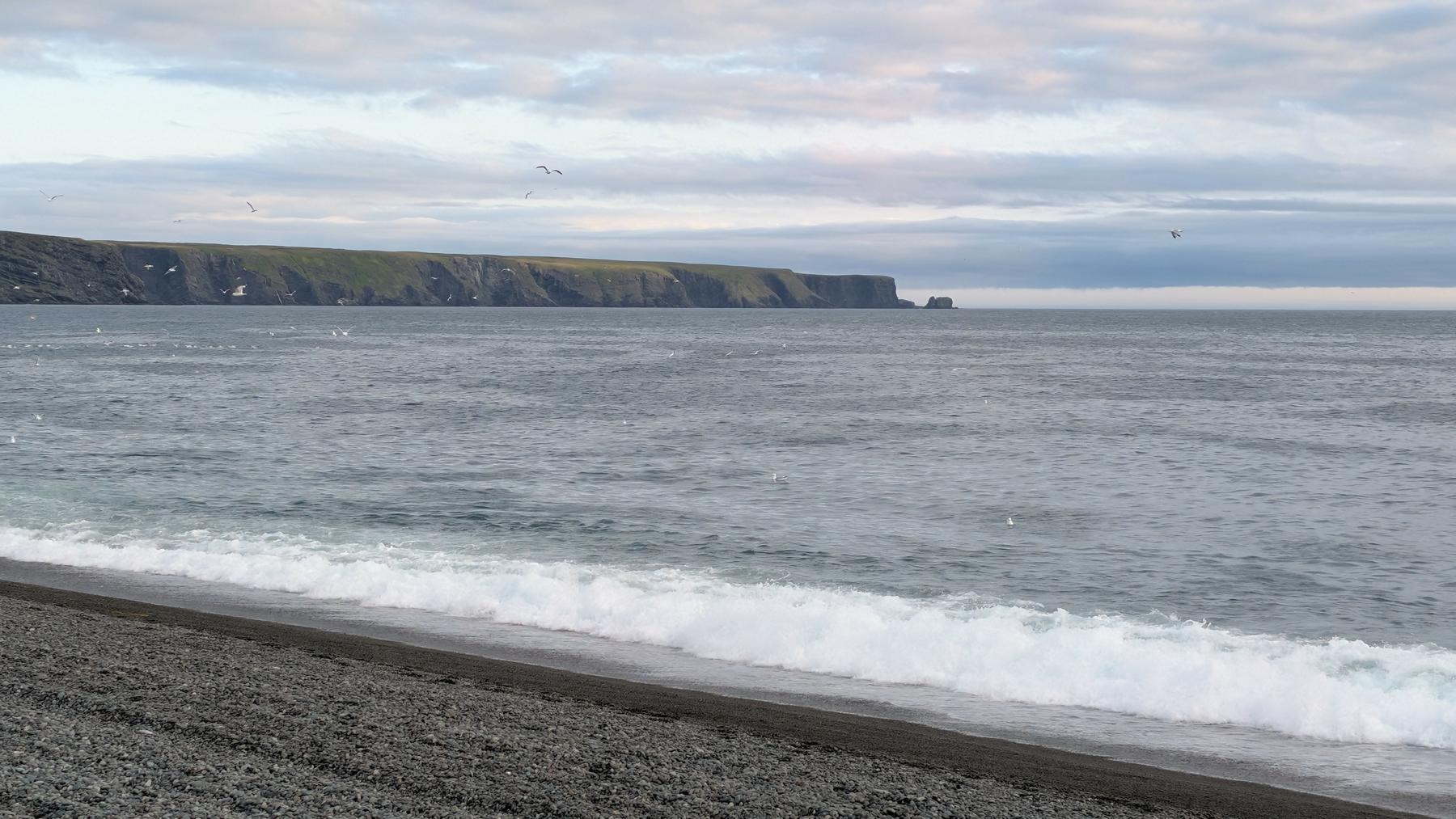
St. Vincent’s Beach is known for the possibility of seeing humpback whales feeding surprisingly close to shore when capelin arrive.
St. Vincent’s is a quiet, relatively remote place to stay, but that’s part of its appeal. Our Airbnb overlooked Holyrood Pond, with views toward St. Vincent’s Beach. It was a convenient place to stay while we spent time along the shoreline, watching the water and hoping the whales would appear.
We visited the beach several times during our stay. Although we never saw the feeding humpbacks we’d hoped for, we discovered another wildlife spectacle worth watching.
Hundreds of northern gannets were feeding offshore, soaring above the Atlantic before suddenly folding their wings and plunging into the water.
An Unexpected Highlight: Diving Gannets
Watching the northern gannets became a highlight of our time at St. Vincent’s.
The birds would circle above the ocean, sometimes in large numbers, before suddenly diving toward the water. At times, dozens were plunging into the Atlantic in quick succession, sending splashes across the surface.
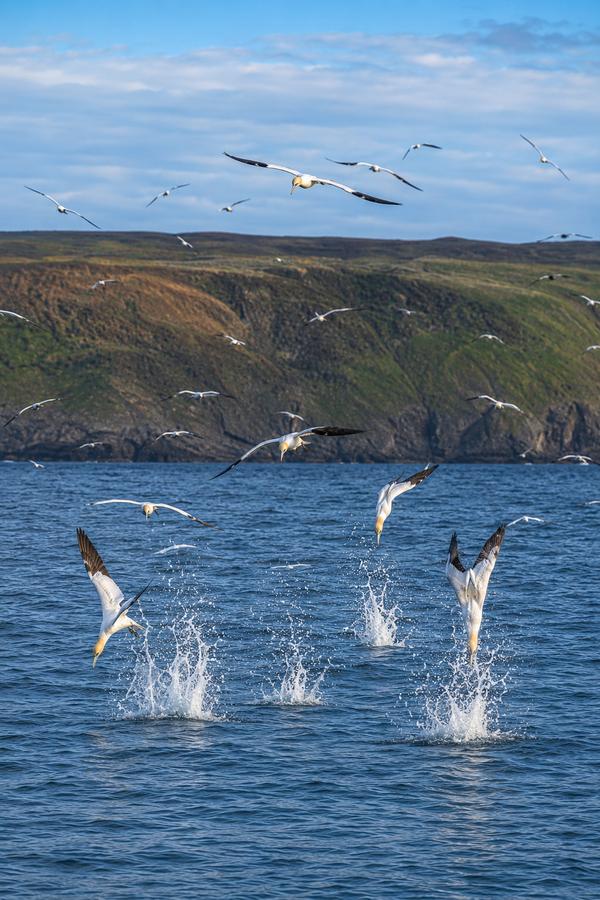
It was fascinating to watch, especially when several birds began diving in the same area almost simultaneously.
We spent quite a bit of time photographing and recording the activity. Even without the whales, there was plenty happening offshore to keep our attention.
As we learned more about these seabirds, we became interested in visiting Cape St. Mary’s Ecological Reserve, where a large colony of northern gannets nest on the cliffs at Bird Rock.
We decided that seeing the birds at their nesting colony would be a perfect follow-up to watching them feed at St. Vincent’s Beach.
Dining and Groceries Around St. Vincent’s
One thing worth knowing if you’re planning to stay in St. Vincent’s is that dining options are limited. We enjoyed most of our meals at our Airbnb, which worked out well for us.
For basic groceries and supplies, P & D Hardware Limited & Convenience Store in St. Vincent’s offered a selection of grocery items, along with premade sandwiches.
We also found a small grocery store in nearby St. Mary’s that included a grill serving fish and chips, burgers, and other casual meals.
If you’re planning to spend a few days in the area, having accommodations with a kitchen is certainly helpful.
A Couple of Stops Around St. Mary’s
While staying in St. Vincent’s, we also explored a couple of nearby attractions in the community of St. Mary’s.
First Falls
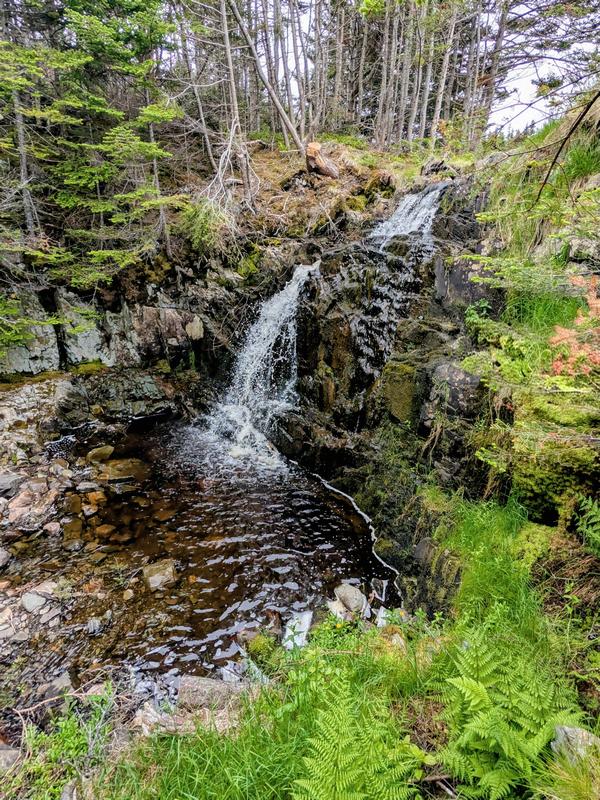
One of our stops was First Falls, a small waterfall where water tumbles over the rocks into a pool below.
It wasn’t a particularly large waterfall, but the quiet setting made it a pleasant place to spend some time enjoying the scenery.
Sometimes the smaller, less-publicized stops are among the most enjoyable parts of a road trip.
St. Mary’s Battery Provincial Historic Site
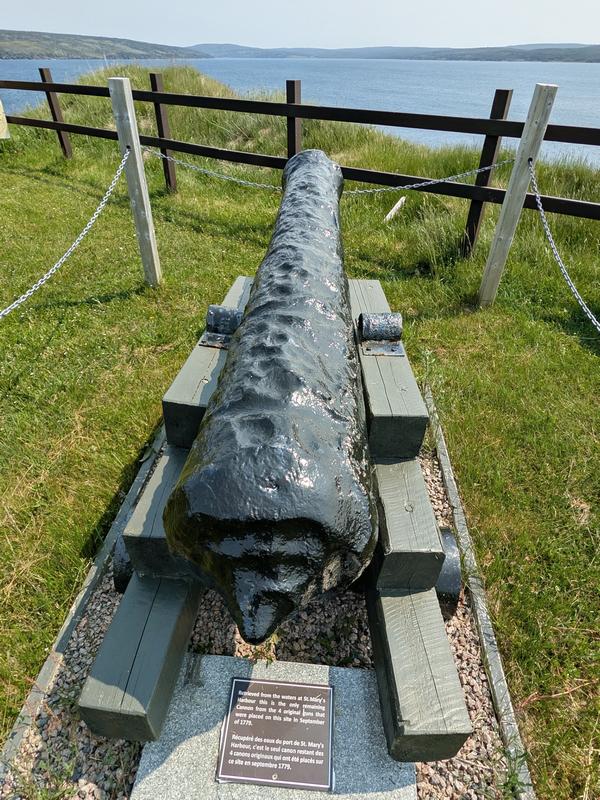
We also visited St. Mary’s Battery, overlooking the entrance to St. Mary’s Harbour.
The site marks the location of a coastal battery established in 1779 to help protect the community and its fishing fleet. Today, visitors can see a recovered cannon, interpretive information, and views across the harbor.
It was a relatively quick stop, but an interesting reminder of the area’s history.
Continuing to Placentia
After three nights in St. Vincent’s, we continued to Placentia for the final two nights of our Newfoundland road trip.
We chose Placentia primarily because of its proximity to the Marine Atlantic ferry terminal in Argentia, where we would eventually board the ferry back to Nova Scotia.
Placentia AirBnb
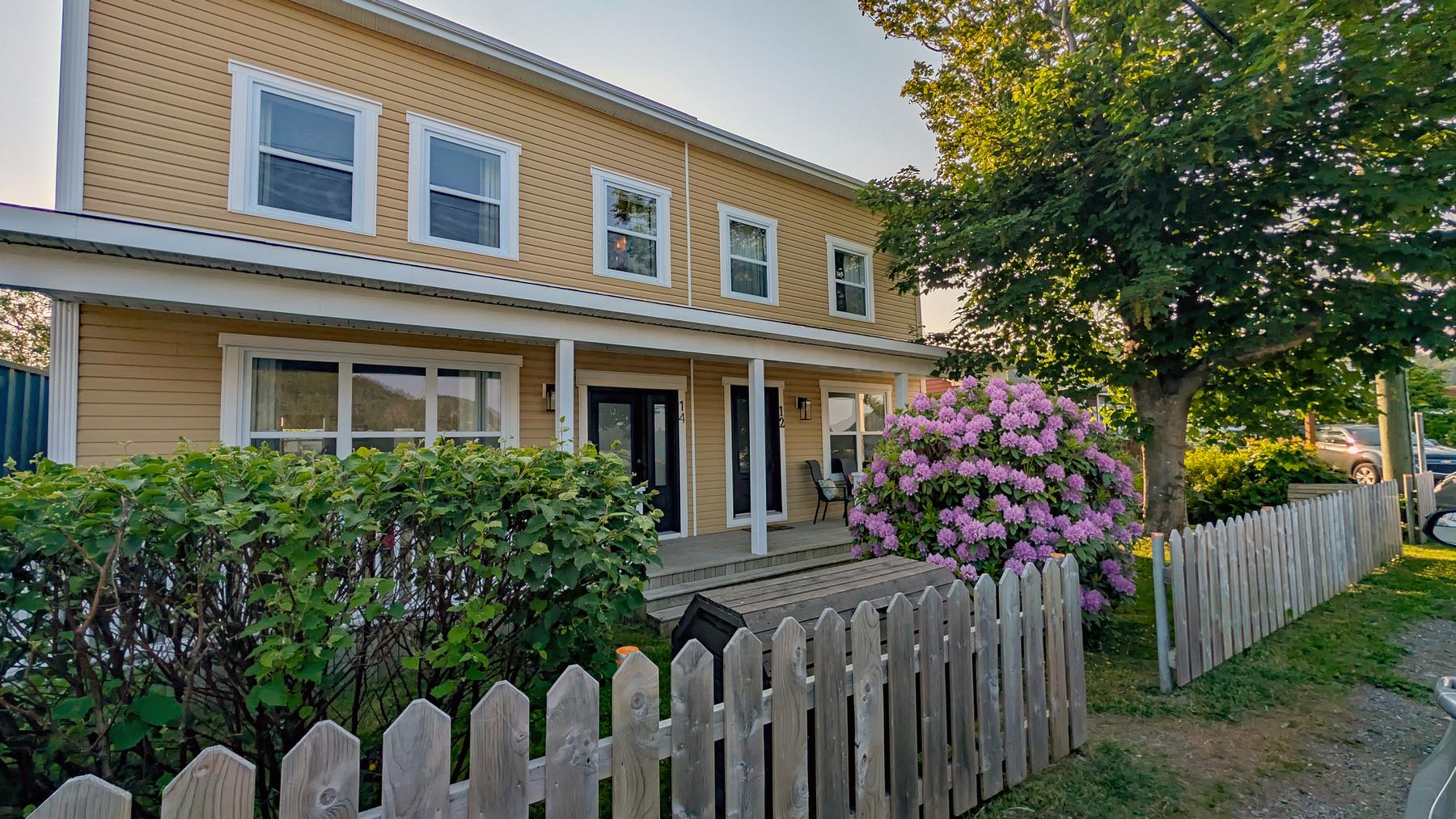
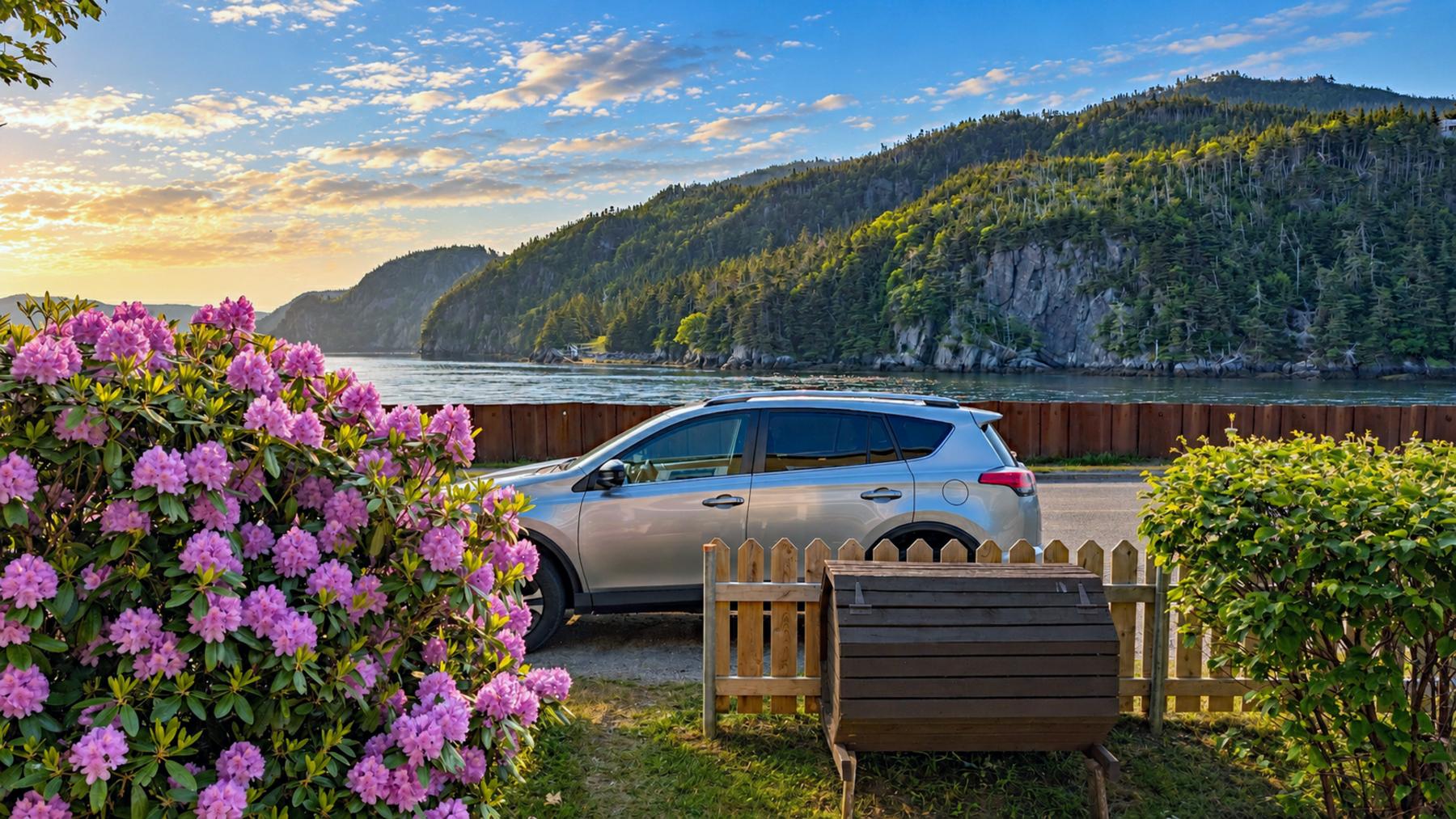
Our Airbnb overlooked the Orcan River, an interesting natural feature where the direction of the current changes with the tides. We enjoyed watching the river from our accommodations, which even had a couple of rocking chairs on the front porch.
Exploring Castle Hill National Historic Site
After checking into our accommodations, we headed to Castle Hill National Historic Site, overlooking Placentia and the surrounding waterways.
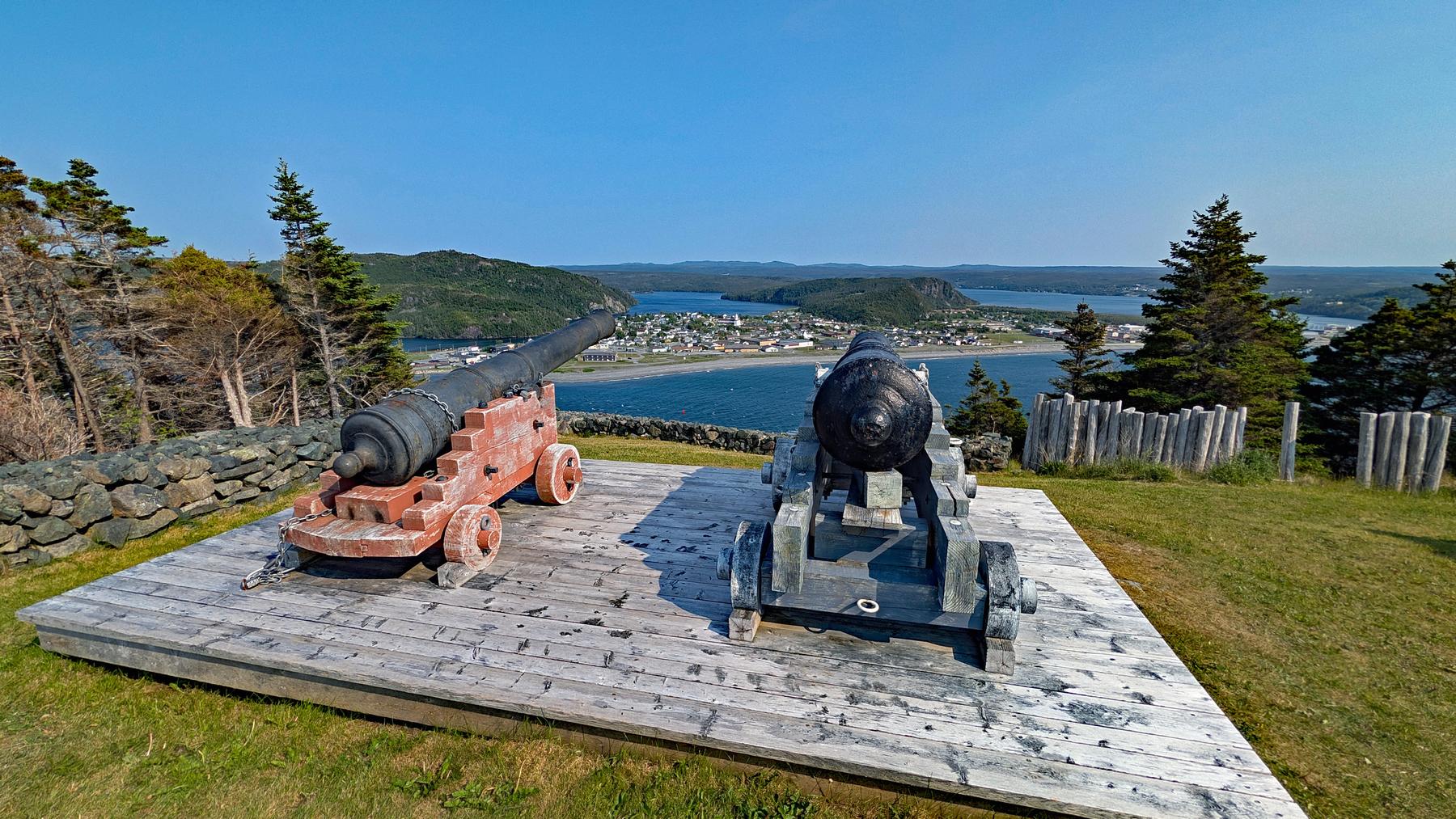
We spent some time walking around portions of the historic fortifications, where sections of stone walls and several cannons remain.
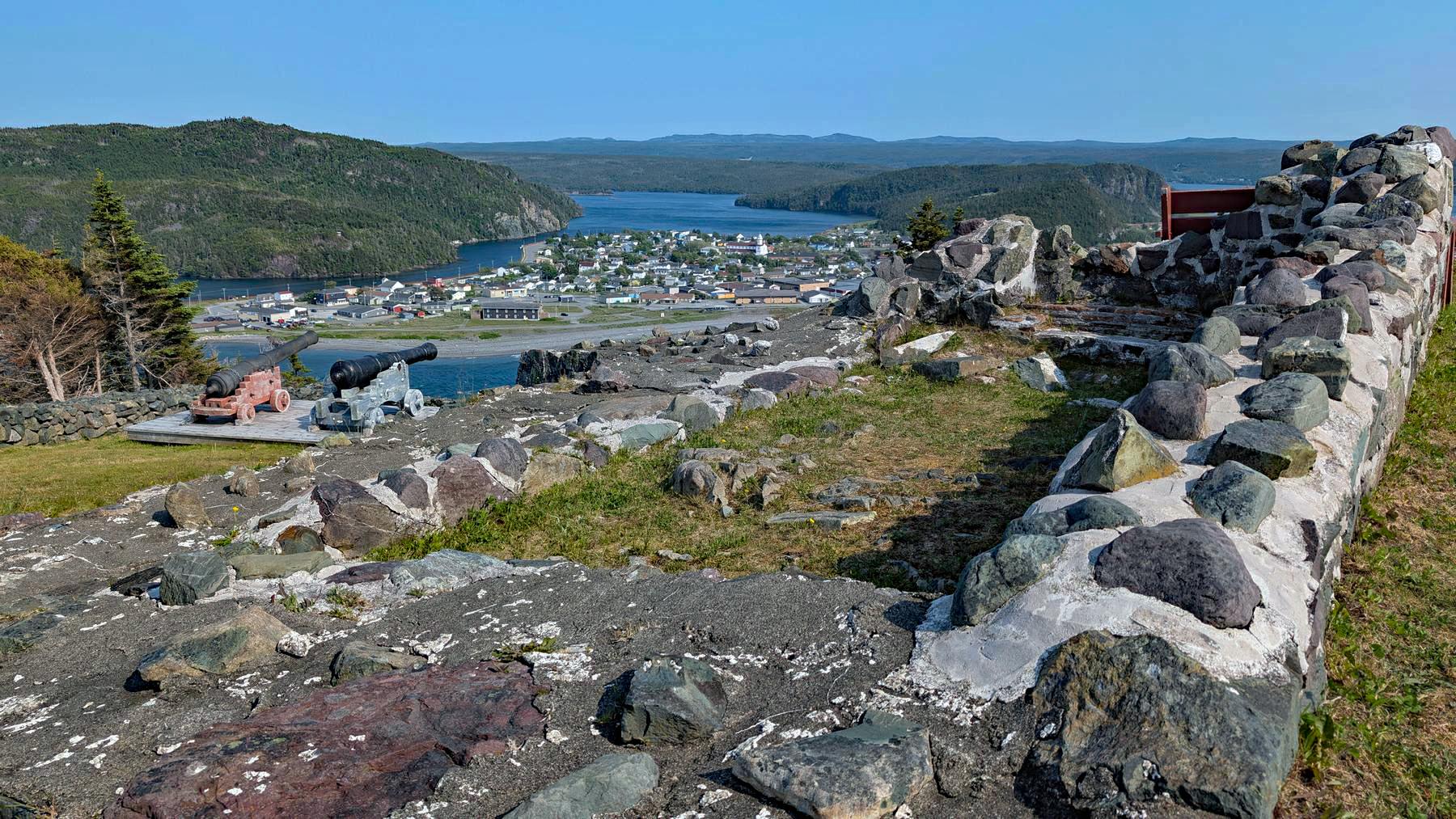
Although we didn’t explore the entire site, we enjoyed seeing the remains of the fort and taking in the views from its elevated position.
The cannons overlooking the harbor were an interesting reminder of Placentia’s military history, while the views across the town, coastline, and surrounding hills made the visit worthwhile.
Cape St. Mary’s Ecological Reserve: Visiting Bird Rock
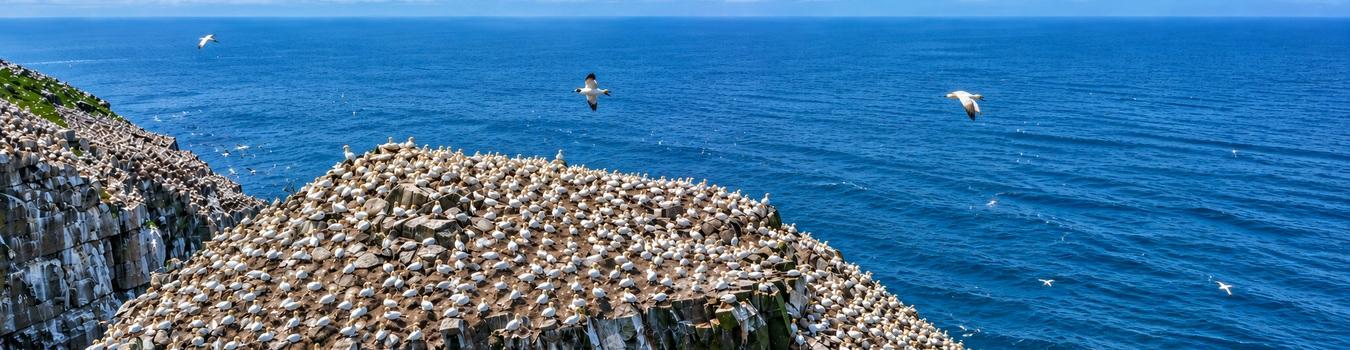
The following morning, we set out from Placentia for Cape St. Mary’s Ecological Reserve. After watching hundreds of northern gannets diving into the ocean at St. Vincent’s Beach, we were especially looking forward to seeing these birds at their nesting colony.
Cape St. Mary’s is known for its large seabird colonies, particularly the thousands of northern gannets nesting at Bird Rock.
Walking the Trail to Bird Rock
We stopped at the visitor center before heading out on the trail to Bird Rock. There’s also a gift shop on site.
The trail is approximately 1.4 kilometers (0.9 mile) each way, following the cliffs overlooking the Atlantic Ocean. We were fortunate to have a beautiful, sunny day, although this part of Newfoundland can certainly experience wind and fog.
The Trail To Bird Rock
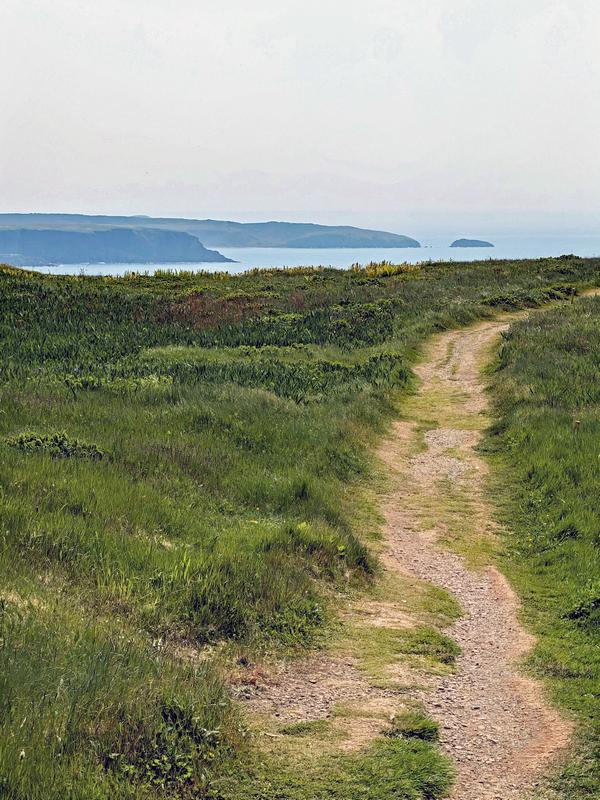
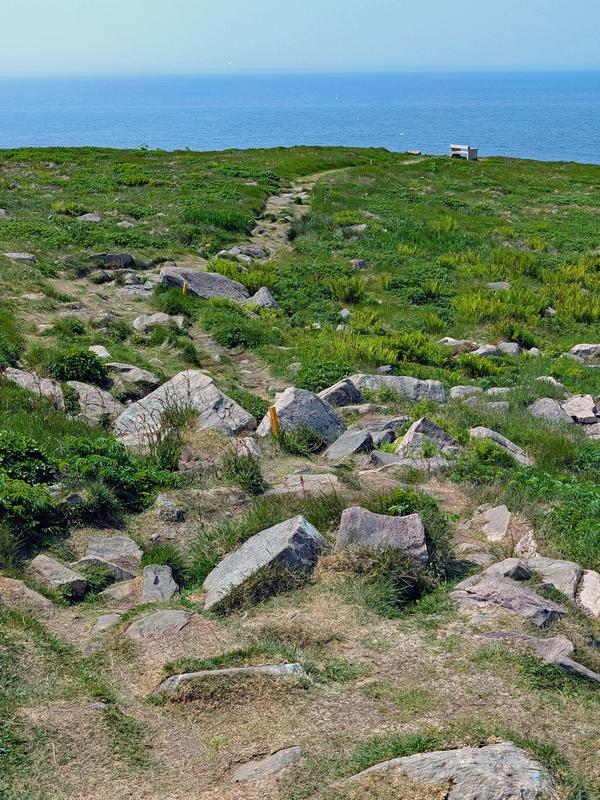
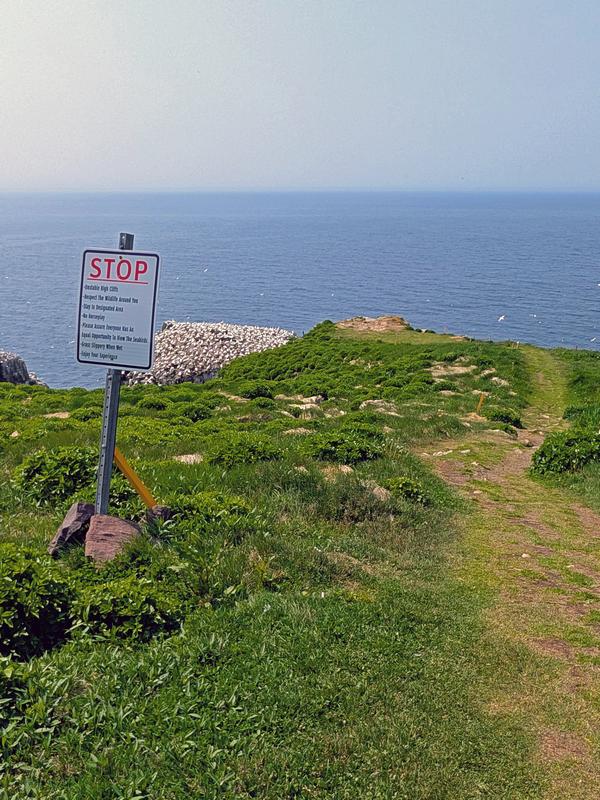
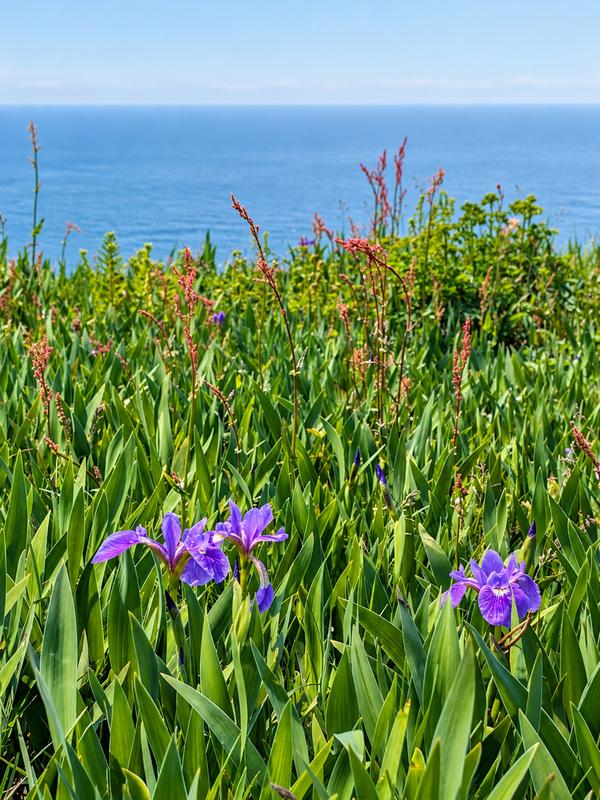
The trail was mostly level, although we encountered a few rocky sections along the way that required us to watch our footing. Since we were visiting in early July, we also enjoyed spotting wildflowers beginning to appear along the trail. Between the coastal views and the wildflowers, there was plenty to enjoy on the walk to Bird Rock.
An Incredible Sight at Bird Rock
Seeing Bird Rock for the first time was almost overwhelming. We knew there would be a large number of nesting gannets, but nothing quite prepared us for the sheer number of birds covering the rock. We were honestly a little awestruck.
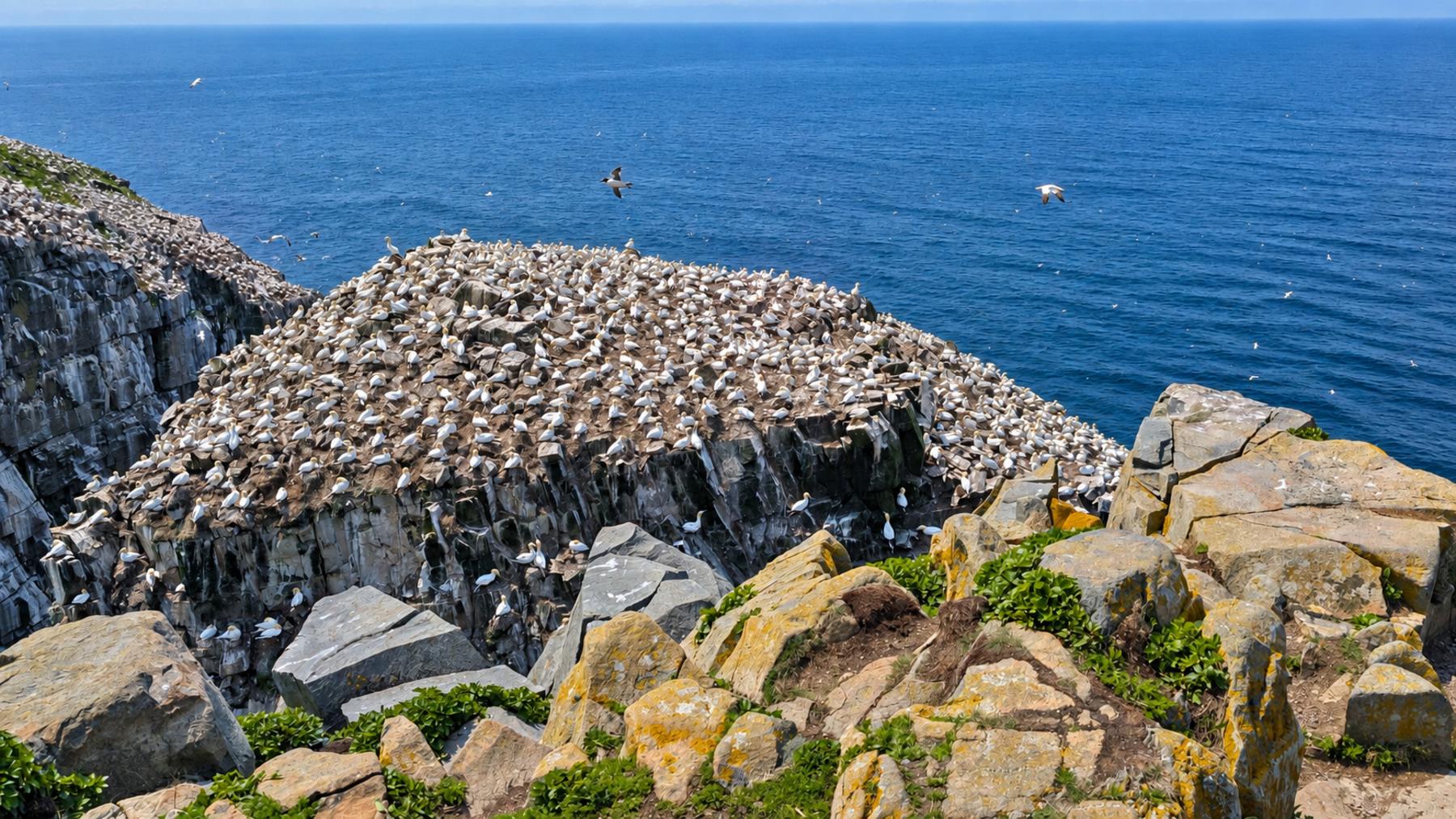
Thousands of northern gannets occupied the rocky cliffs, with nests packed closely together. What particularly caught our attention was how many nests seemed to be perched right along the cliff edges, with so little room around them. We couldn’t help wondering how the chicks managed to stay safely in their nests!
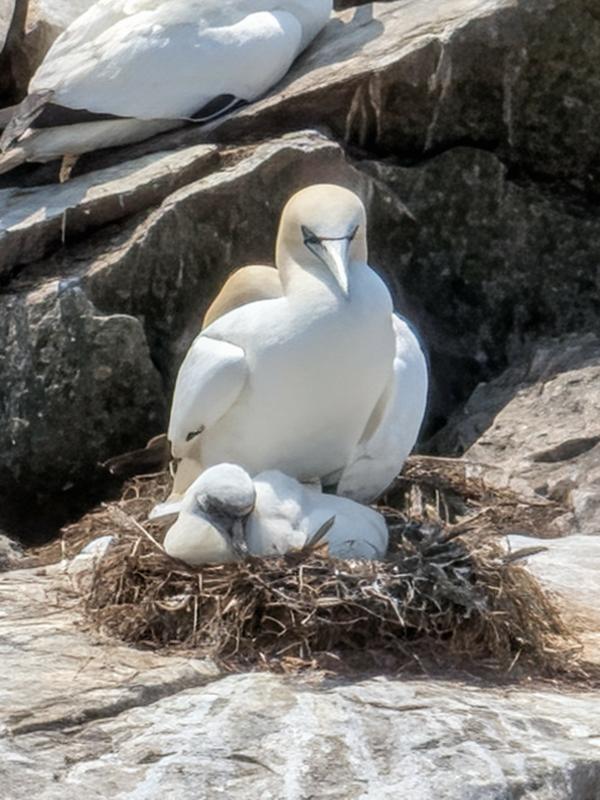
Although we didn’t witness much feeding activity, there was plenty to watch as adult gannets came and went from the colony.
Enjoying the Viewing Area
One of the things we appreciated most was how close the viewing area was to Bird Rock. We could observe the nesting birds and their chicks without needing binoculars, although they would certainly be useful for a closer look.
There were only a few other people along the trail when we arrived, and we actually had the viewing area entirely to ourselves for quite a while. That gave us plenty of time to watch the birds, take photographs, and simply enjoy the experience.
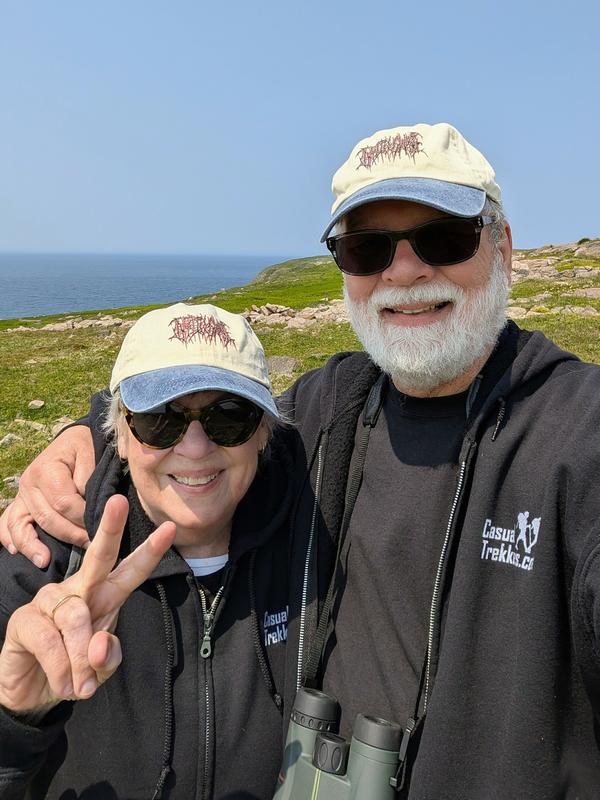
As we made our way back toward the visitor center, we began encountering more people heading out to Bird Rock. We were glad we’d arrived when we did.
A Highlight of Our Newfoundland Trip
Our visit to Cape St. Mary’s was undoubtedly one of the highlights of this Newfoundland road trip.
Watching the gannets plunge into the Atlantic at St. Vincent’s Beach had been fascinating on its own. Seeing thousands of them gathered at their nesting colony, with chicks tucked into nests along the cliffs, gave us an entirely different perspective on these seabirds.
Experiencing both locations within just a few days made each visit that much more memorable.
A Relaxing Walk Along Placentia’s Great Beach Boardwalk
After returning from Cape St. Mary’s, we decided to spend part of the afternoon exploring Placentia’s Great Beach Boardwalk, part of the Placentia Trail Network.
Having already walked at Cape St. Mary’s earlier in the day, we chose to explore just a portion of the boardwalk.
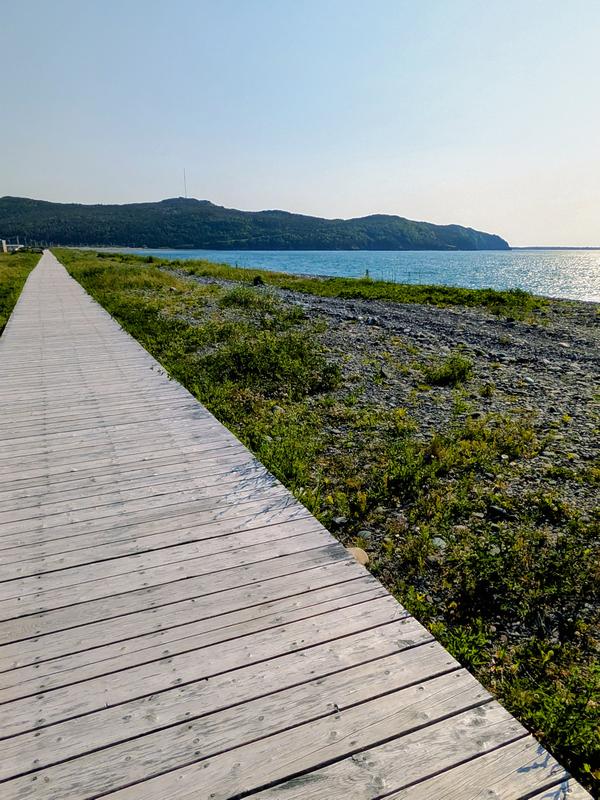
The easy walk along the shoreline offered beautiful views across Placentia Bay and was a relaxing way to wind down our final full day in Newfoundland.
More Than We Expected
We returned to St. Vincent’s Beach hoping to see humpback whales feeding close to shore. Although that didn’t happen, we came away with something we hadn’t anticipated—watching hundreds of northern gannets diving into the Atlantic and then visiting their nesting colony at Cape St. Mary’s.
Our final days also gave us time to enjoy the quieter side of Newfoundland, from the small communities around St. Mary’s to the history and coastal scenery of Placentia.
Sometimes the experiences you don’t plan turn out to be the most memorable, and for us, the gannets were a perfect example.
Saying Goodbye to Newfoundland
The following day, we made the short drive from Placentia to Argentia for our Marine Atlantic ferry crossing to North Sydney, Nova Scotia. Our ferry departed at 5 p.m., with arrival scheduled for approximately 9 a.m. the next morning.

For this crossing, we had reserved an exterior cabin with a queen bed and a larger window. We appreciated having the queen bed, although maneuvering into the bathroom was a little tight. And while the larger window was a nice feature, there wasn’t much to see once darkness fell.
The motion of the ferry was considerably more noticeable than on our earlier crossing to Newfoundland, particularly with more time spent on the open ocean. As we had on that trip, we decided to take motion-sickness medication for the overnight journey.
After breakfast aboard the ferry, we arrived in North Sydney. Disembarking went smoothly, although there was one amusing detail: despite being among the first vehicles to board in Argentia, we ended up being the very last vehicle to drive off the ferry!
We’ve shared more about both crossings, including our cabins and boarding experiences, in our separate Marine Atlantic Ferry Post.
From North Sydney, we continued to Halifax, Nova Scotia, where we spent a couple of days before heading home.
As we left Newfoundland behind, we reflected on the many places we’d visited along the way—from small coastal communities and historic sites to waterfalls, hiking trails, and icebergs. It had been another memorable Newfoundland adventure, and we were glad we’d made the return trip.
Planning a trip to Newfoundland?
Save this post for inspiration when planning your own trip!
Explore More of Newfoundland
Explore Our Newfoundland Adventures