St. Anthony is a small coastal town surrounded by rugged shorelines, dramatic ocean views, and, at the right time of year, icebergs drifting along the coast. It’s located near the northern end of Newfoundland’s Great Northern Peninsula.
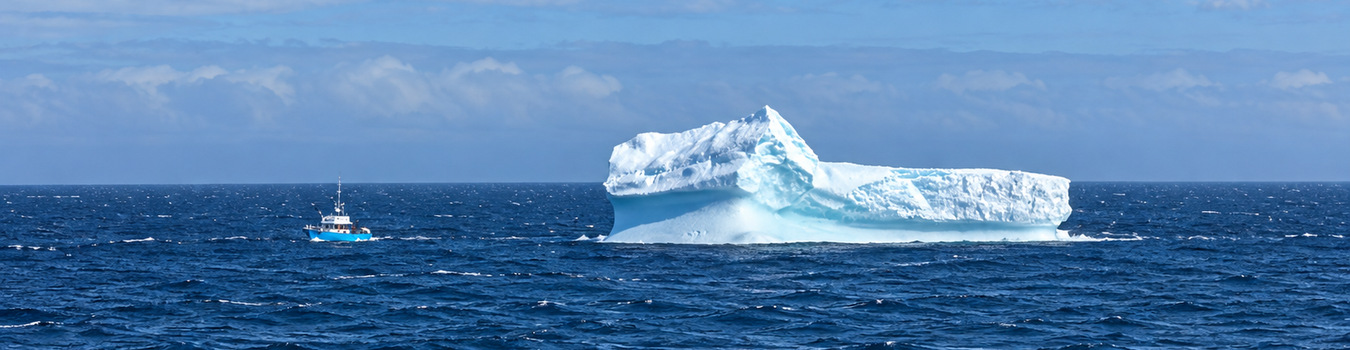
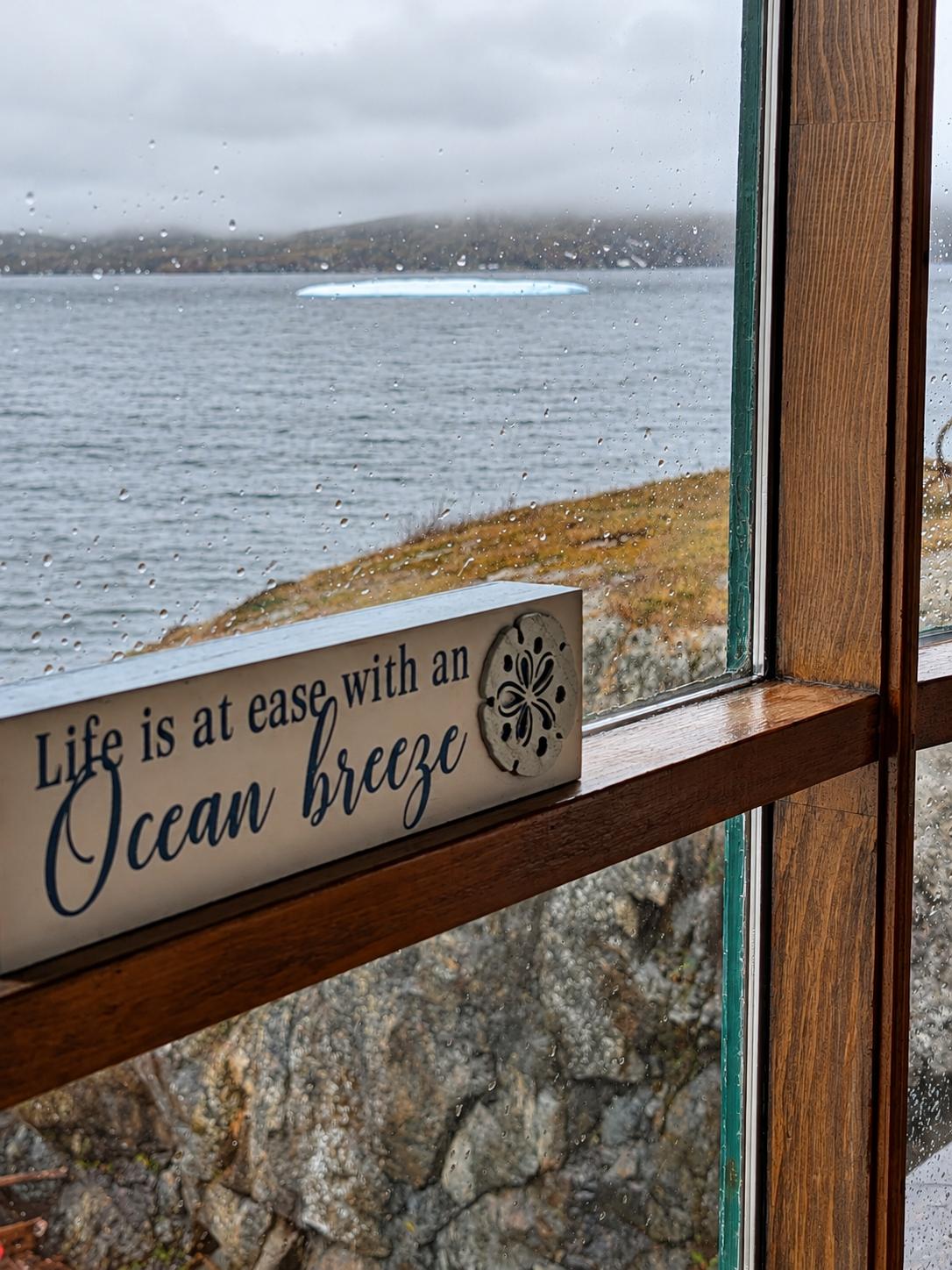
One of our primary goals during our Newfoundland road trip was to see icebergs, and we couldn’t have asked for a better start to our three-night stay in St. Anthony. When we arrived at our vacation home, we were excited to discover an iceberg visible right outside our window!
Over the next few days, we explored Fishing Point, nearby coastal communities, and L’Anse aux Meadows National Historic Site, combining iceberg watching with fascinating Viking history and a few unexpected wildlife encounters.
Staying Near Fishing Point Lighthouse
For our three nights in St. Anthony, we stayed at Fishing Point Vacation Home, located near the end of Fishing Point Road, just before Fox Point Lighthouse.
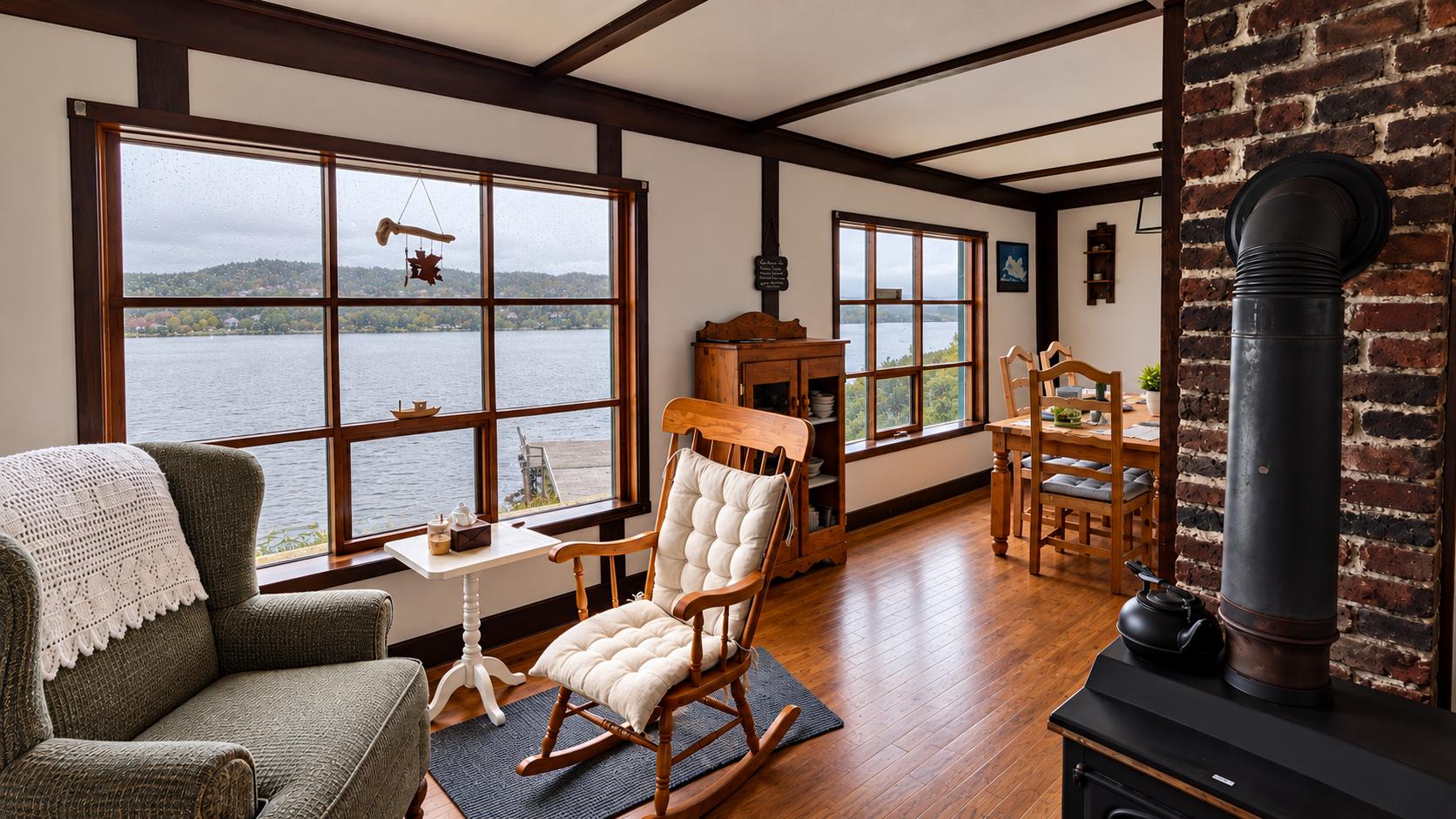
The location worked out especially well for us. We were just outside the main part of town, surrounded by coastal scenery, with the lighthouse and shoreline within walking distance.
It also provided an excellent base for exploring the northern tip of Newfoundland’s Great Northern Peninsula, including L’Anse aux Meadows.
One of the unexpected highlights of our stay was spotting an iceberg offshore right from our window. It was a wonderful introduction to the coastal scenery we’d be exploring over the next few days.
Exploring Fishing Point and Fox Point Lighthouse
Fishing Point quickly became one of our favorite places to explore around St. Anthony. The coastline here is rugged, with rocky cliffs, sweeping ocean views, and plenty of opportunities to watch for icebergs offshore.
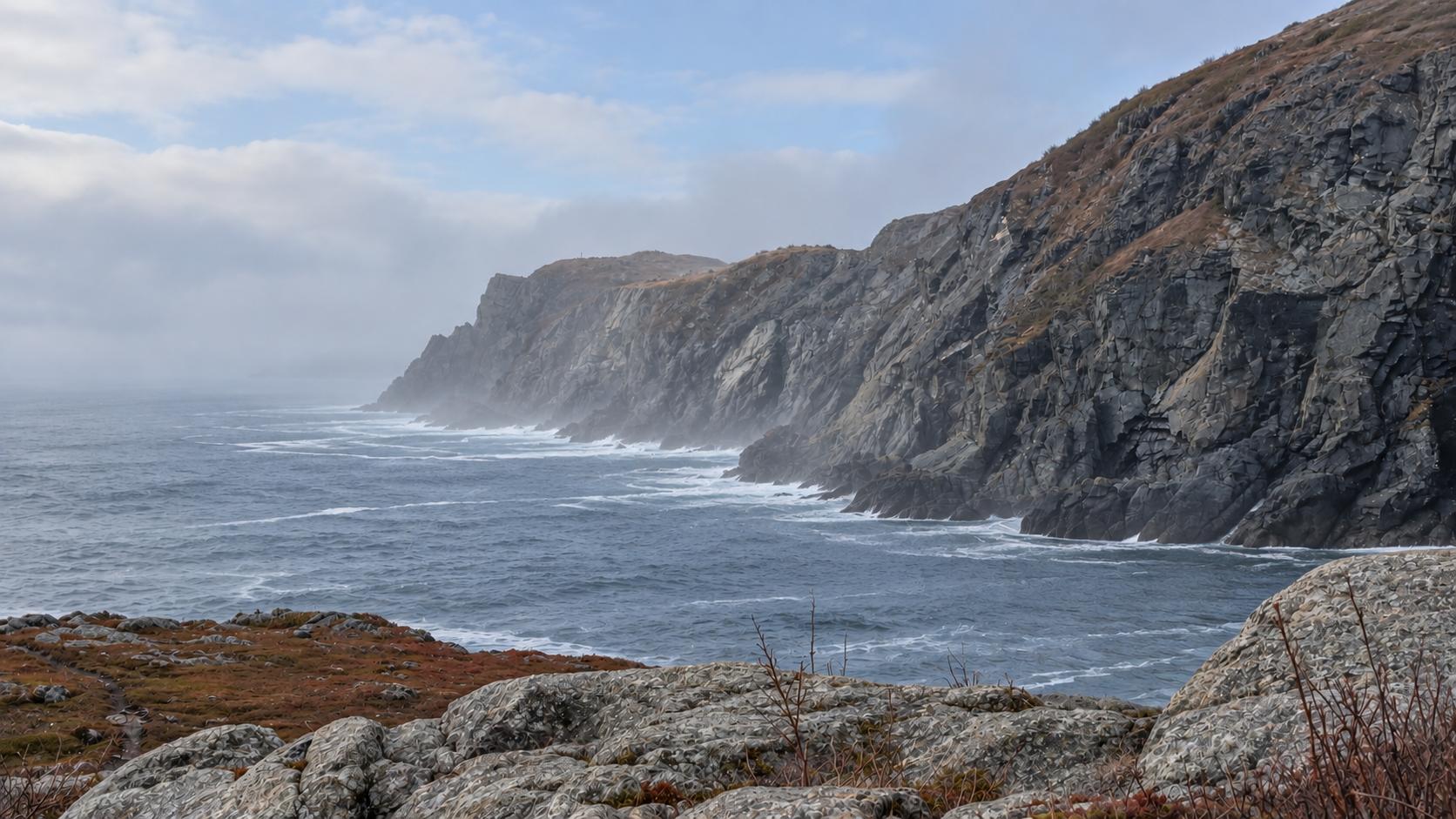
We spent time walking around the lighthouse area and enjoying the scenery. Even with cloudy skies and occasional fog, the coastline was impressive.
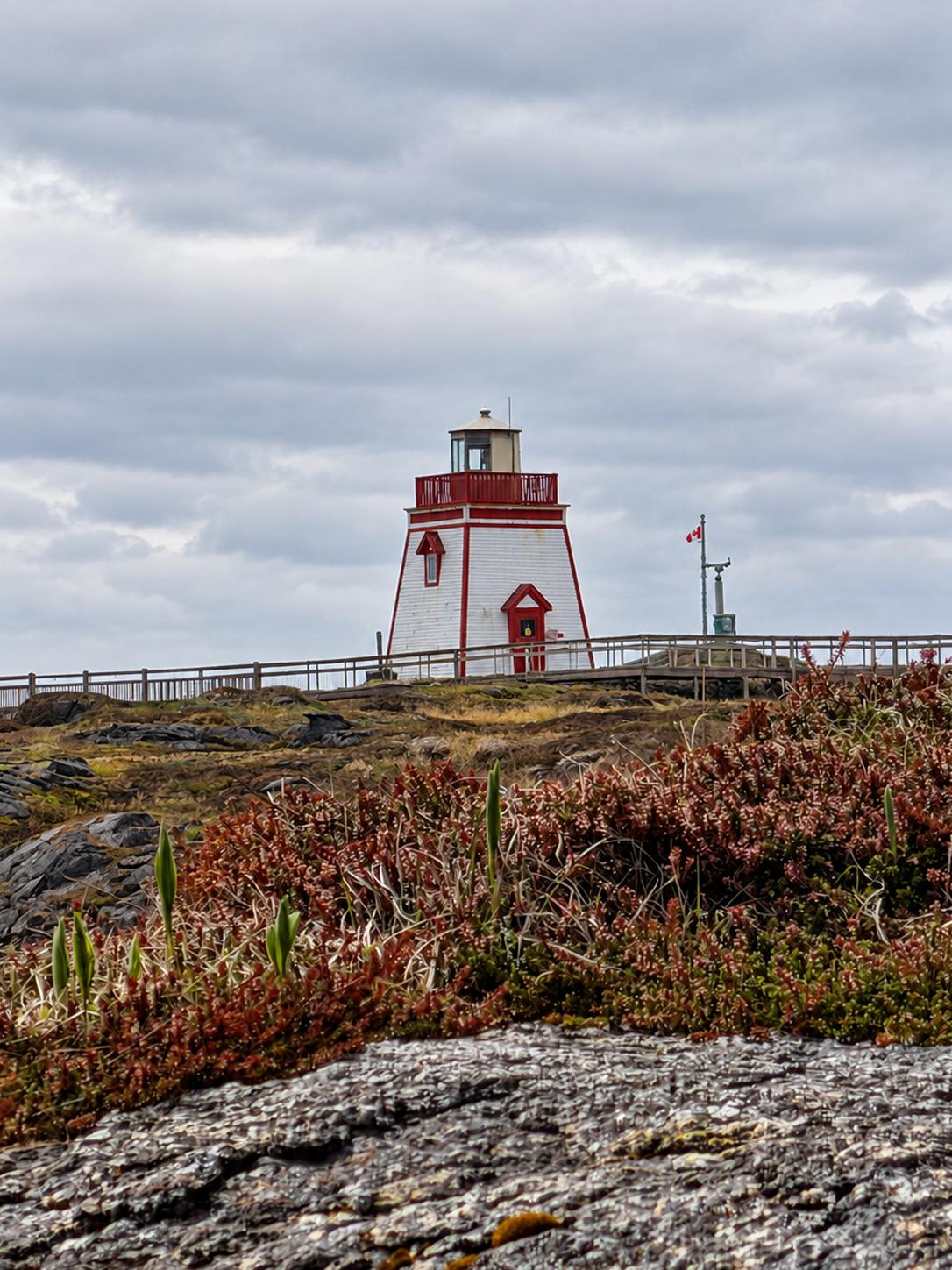
Fox Point Lighthouse is one of the area’s recognizable landmarks. Its red-and-white tower stands against the dramatic coastal landscape, making it a natural stop when exploring Fishing Point.
We also stopped at the nearby Lightkeeper’s Cafe for a meal, which was convenient after spending time exploring the area.
Iceberg Watching Around St. Anthony
Seeing icebergs was one of the experiences we had most looked forward to in Newfoundland, and the St. Anthony area certainly delivered.
This part of Newfoundland lies along what’s commonly known as Iceberg Alley, where icebergs drift south after breaking away from glaciers in Greenland and the Canadian Arctic.
Spring and early summer are generally the best times to look for them, although sightings depend on weather, ocean currents, and conditions from year to year.
During our stay, we spotted icebergs from several locations around St. Anthony, including Fishing Point and St. Anthony Bight.
Icebergs Near Fishing Point:
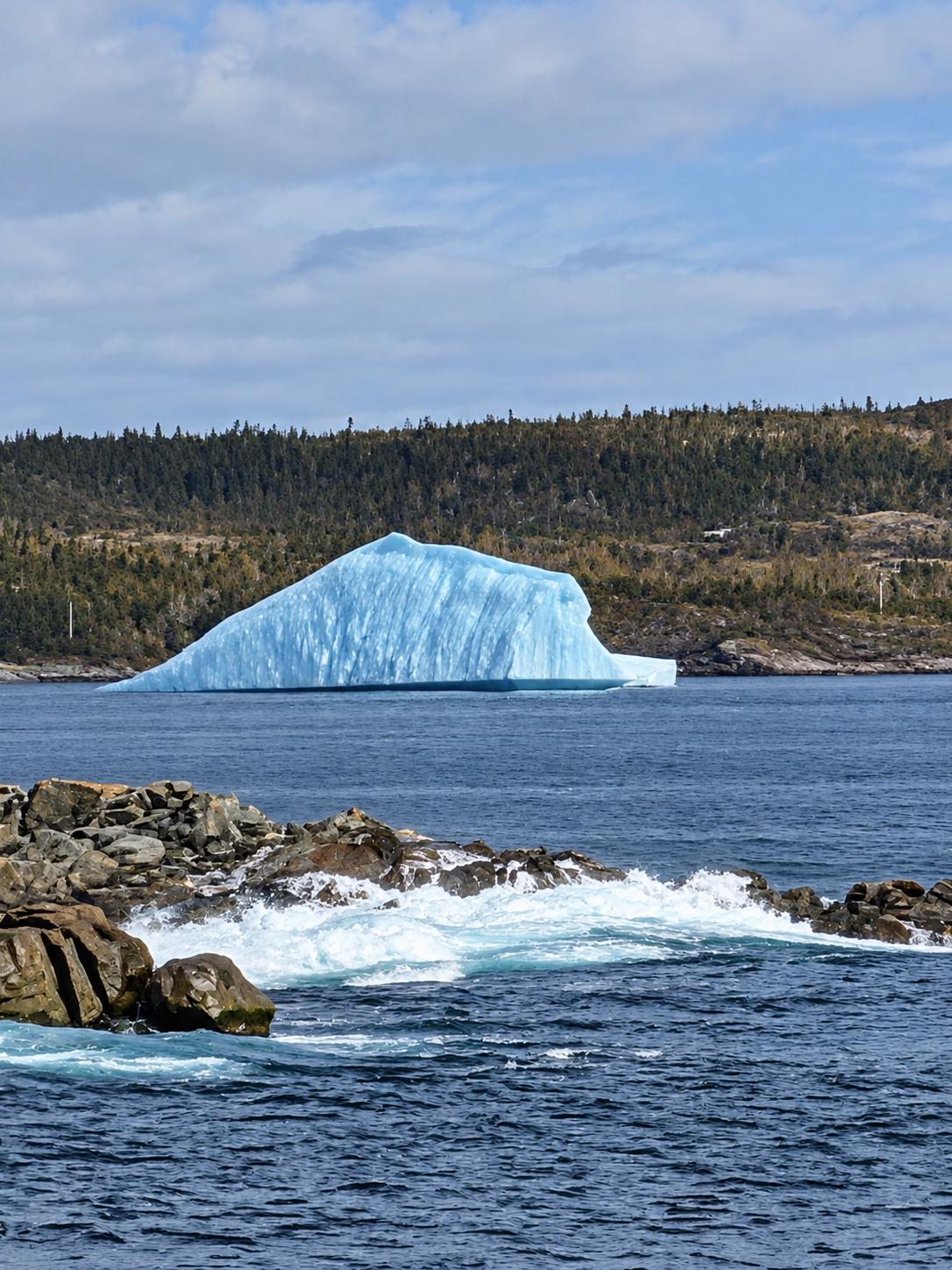
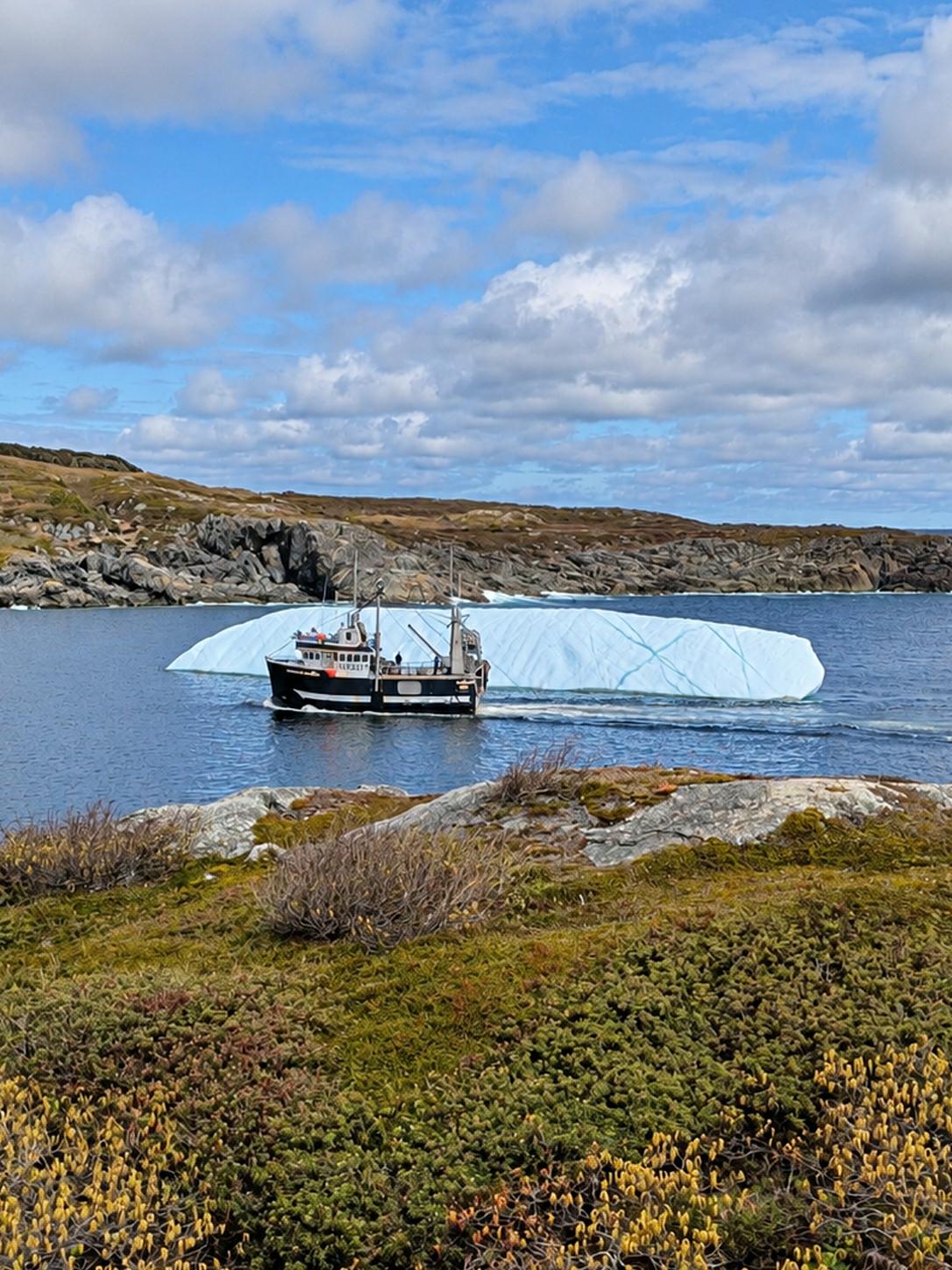
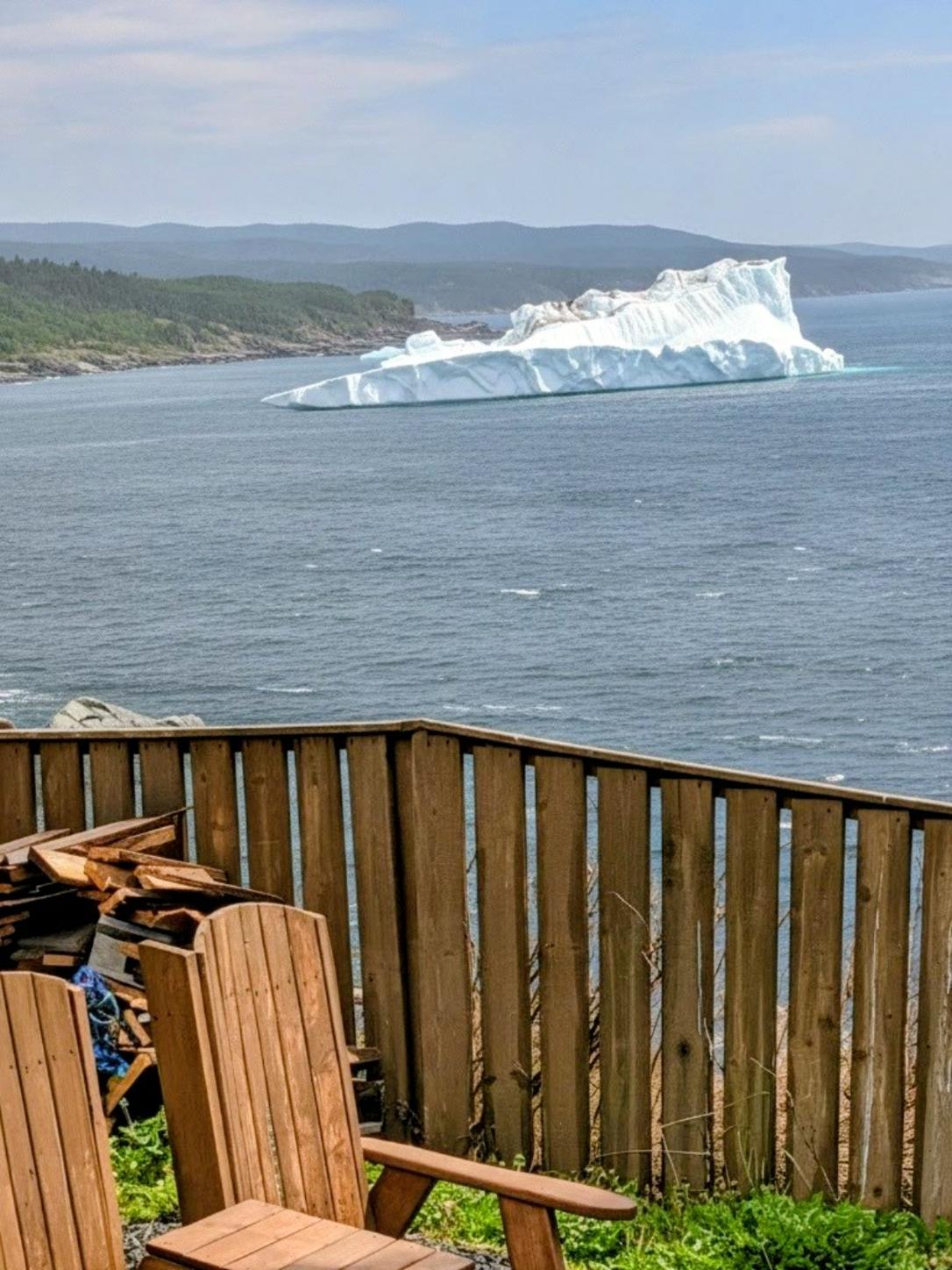
We also drove out toward St. Anthony Bight, where the coastal views offered another perspective on the icebergs offshore. The road was quite rough during our 2026 visit, but the scenery made the outing memorable.
We’ll share more about our iceberg sightings and photographs in a separate post dedicated to the icebergs of Newfoundland.
Visiting L’Anse aux Meadows National Historic Site
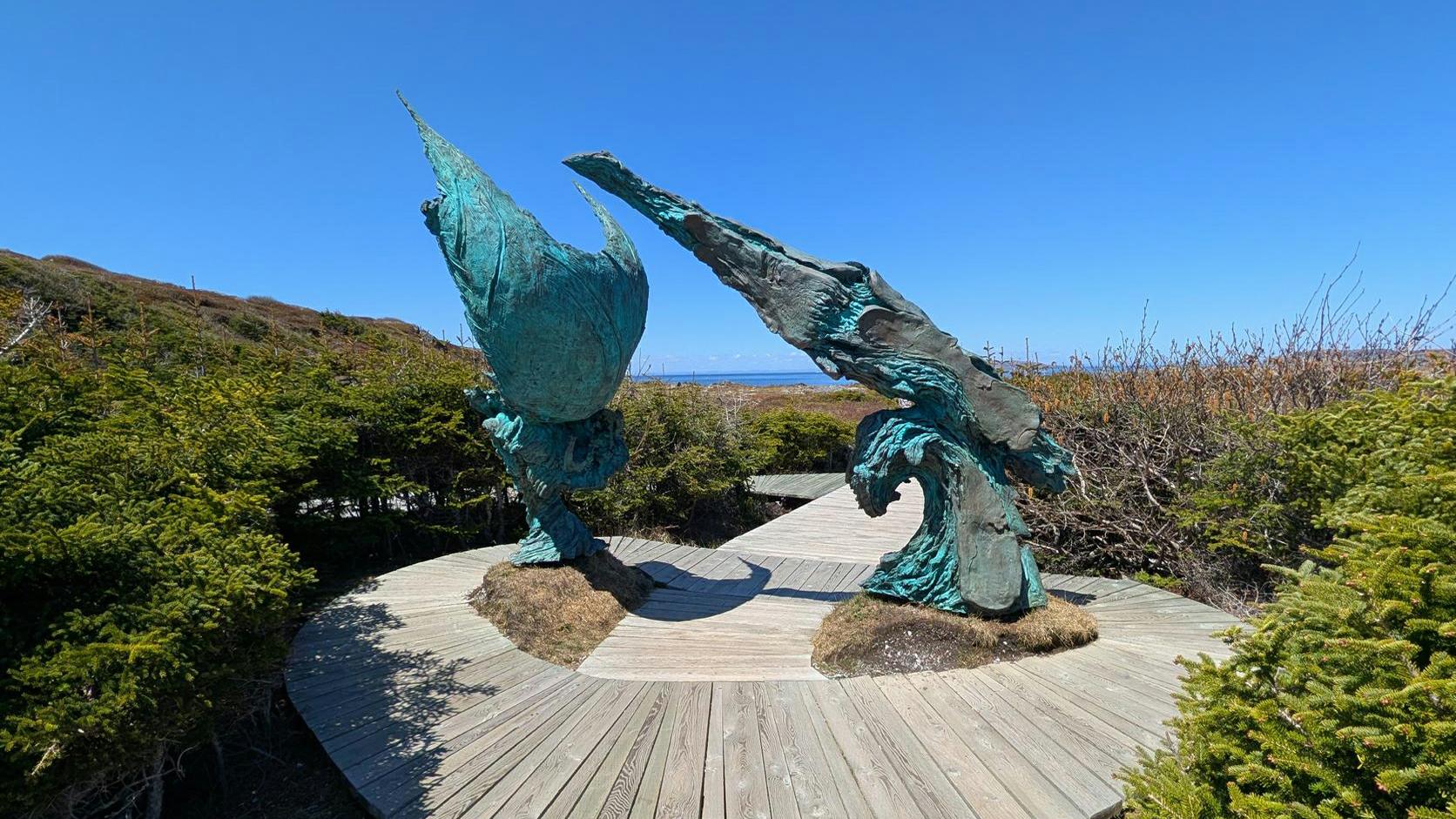
One of the highlights of our time on the Great Northern Peninsula was visiting L’Anse aux Meadows National Historic Site, approximately 45–60 minutes north of St. Anthony.
This UNESCO World Heritage Site preserves evidence of a Norse settlement dating to around the year 1000. It is the earliest known European settlement in North America outside Greenland, established nearly 500 years before Christopher Columbus sailed across the Atlantic in 1492.
We began at the visitor center before exploring the grounds and reconstructed Norse buildings.
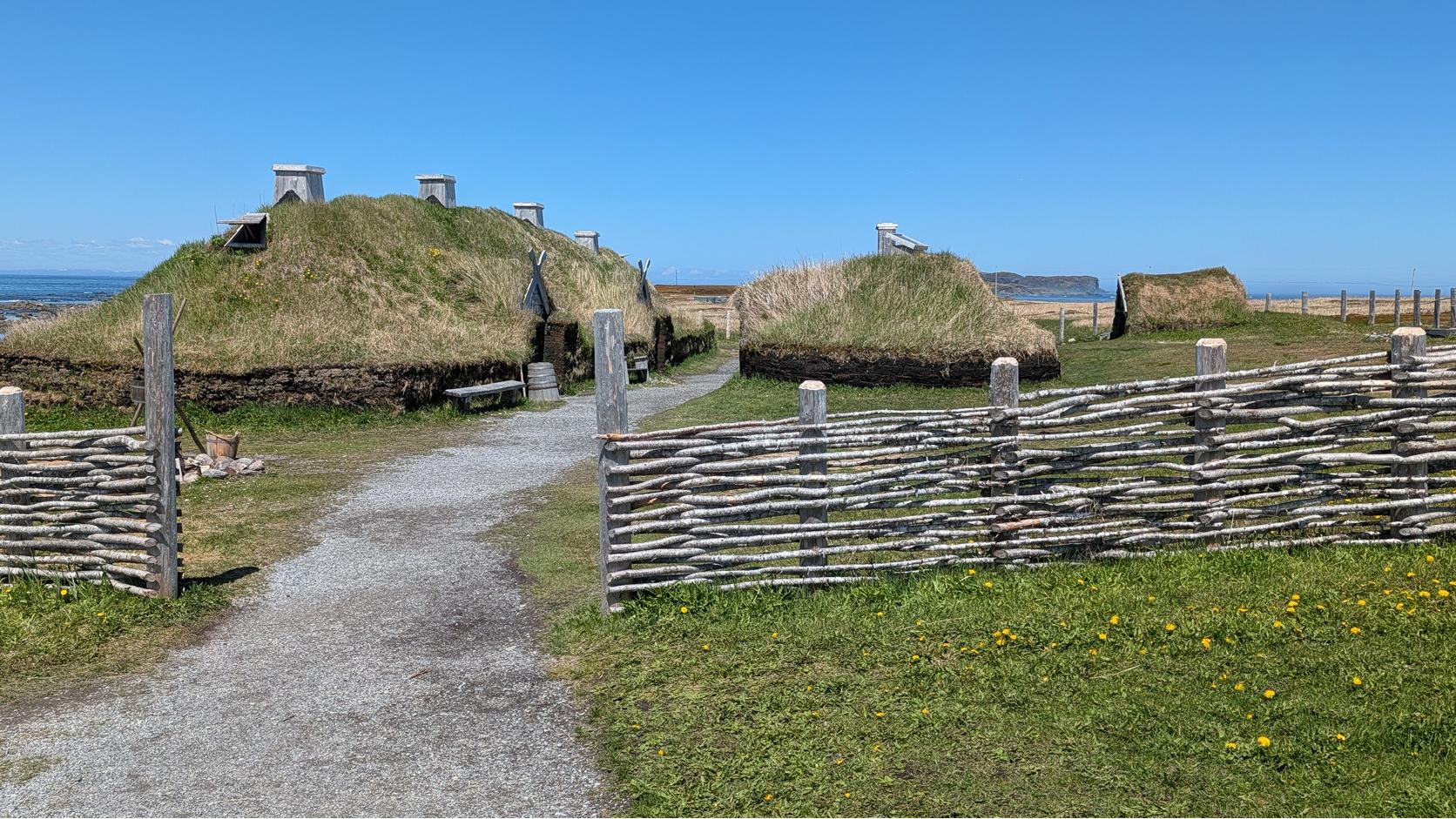
The reconstructed sod buildings help illustrate what life may have been like for the Norse people who lived here more than a thousand years ago.
Inside, we saw timber framing, furnishings, tools, and a central hearth. Costumed interpreters were available, and although we listened briefly, we spent most of our time exploring independently.
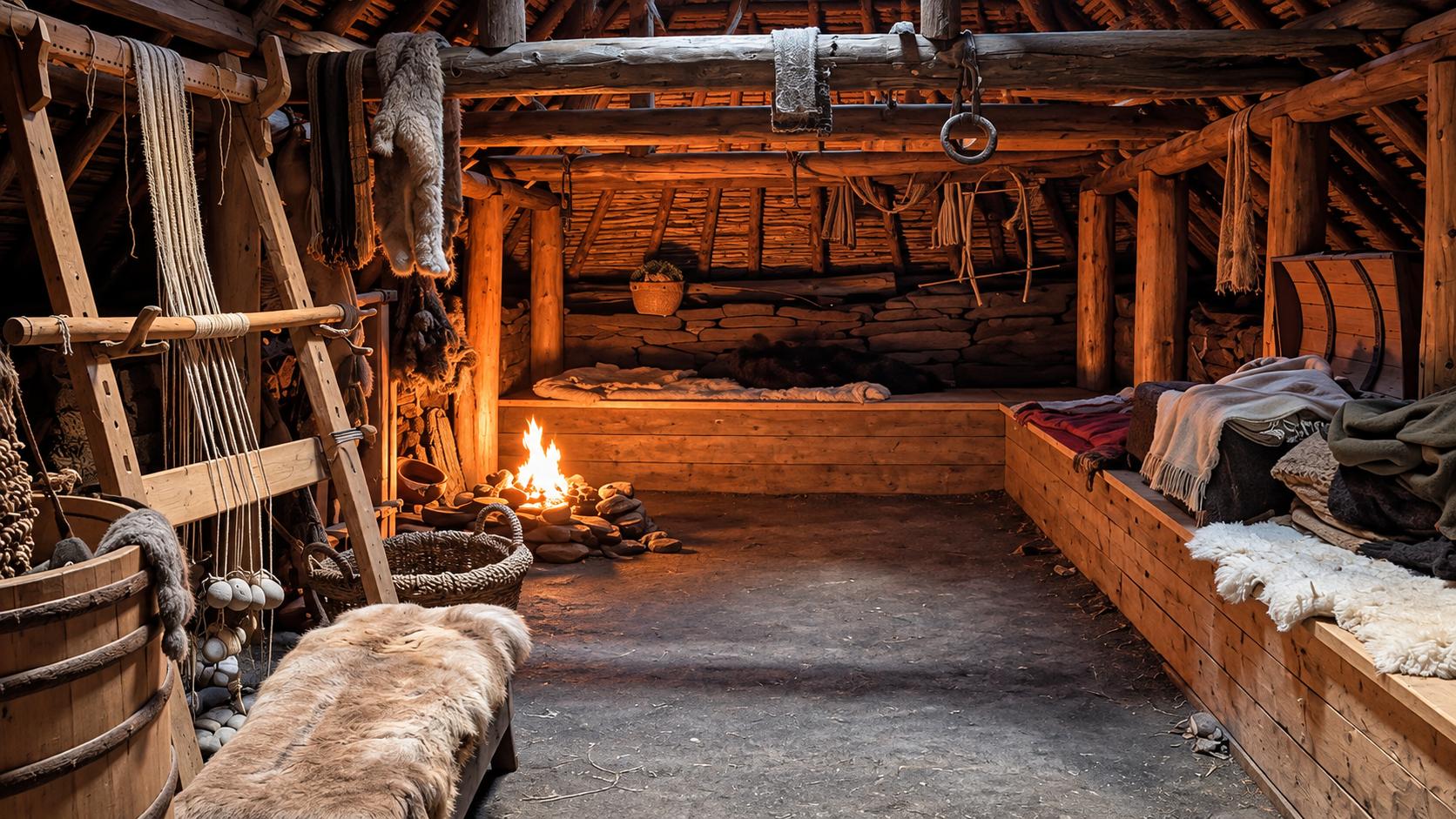
Another interesting part of the site is the original archaeological area. Unlike the reconstructed buildings, the remains of the original Norse structures are much less obvious. Their outlines appear as low, grass-covered ridges where the buildings once stood.
The surrounding landscape also adds to the experience. With its open terrain, rugged coastline, and exposure to North Atlantic weather, it’s easy to imagine how challenging life must have been for the people who settled here.
L’Anse aux Meadows National Historic Site
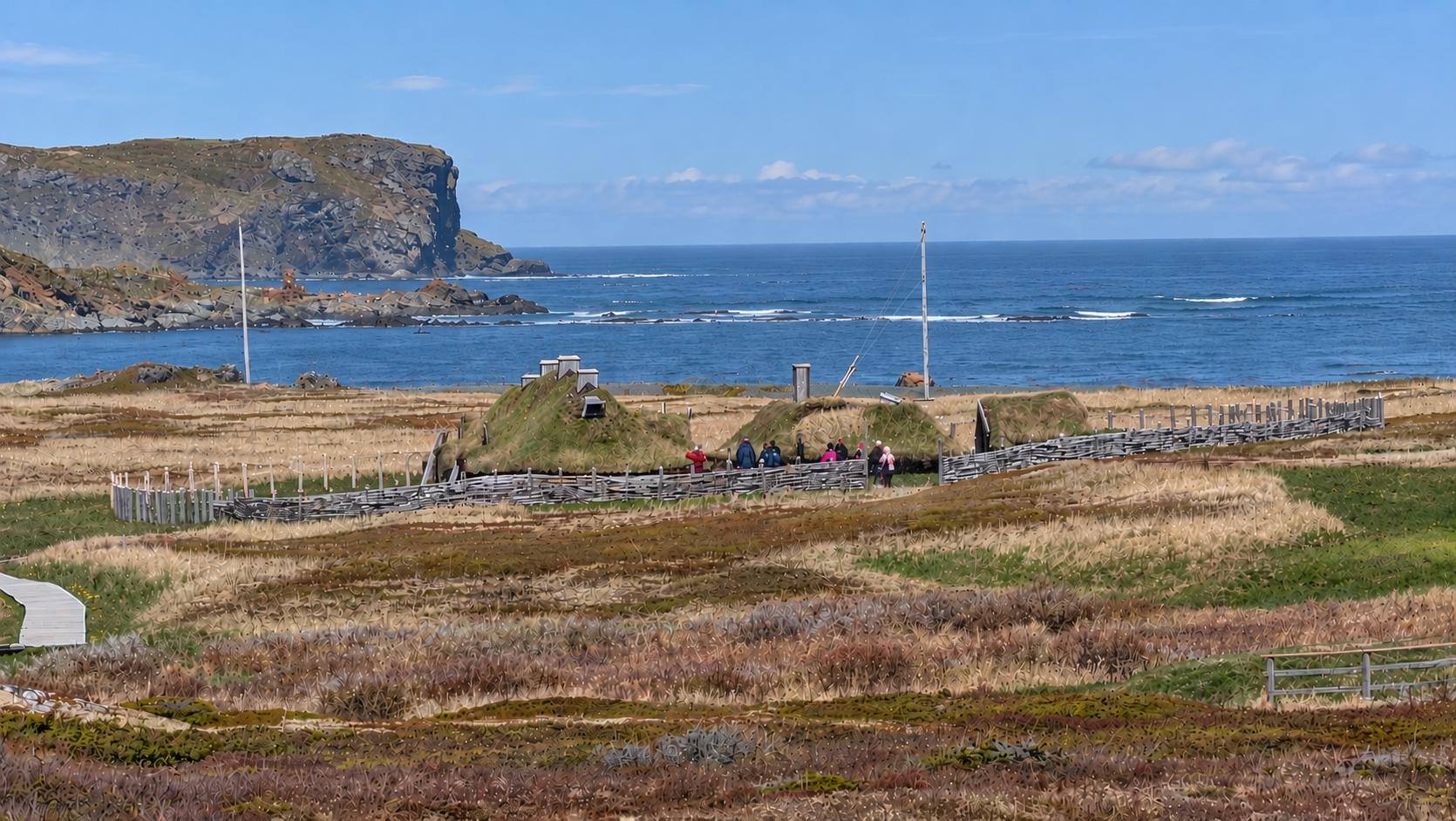
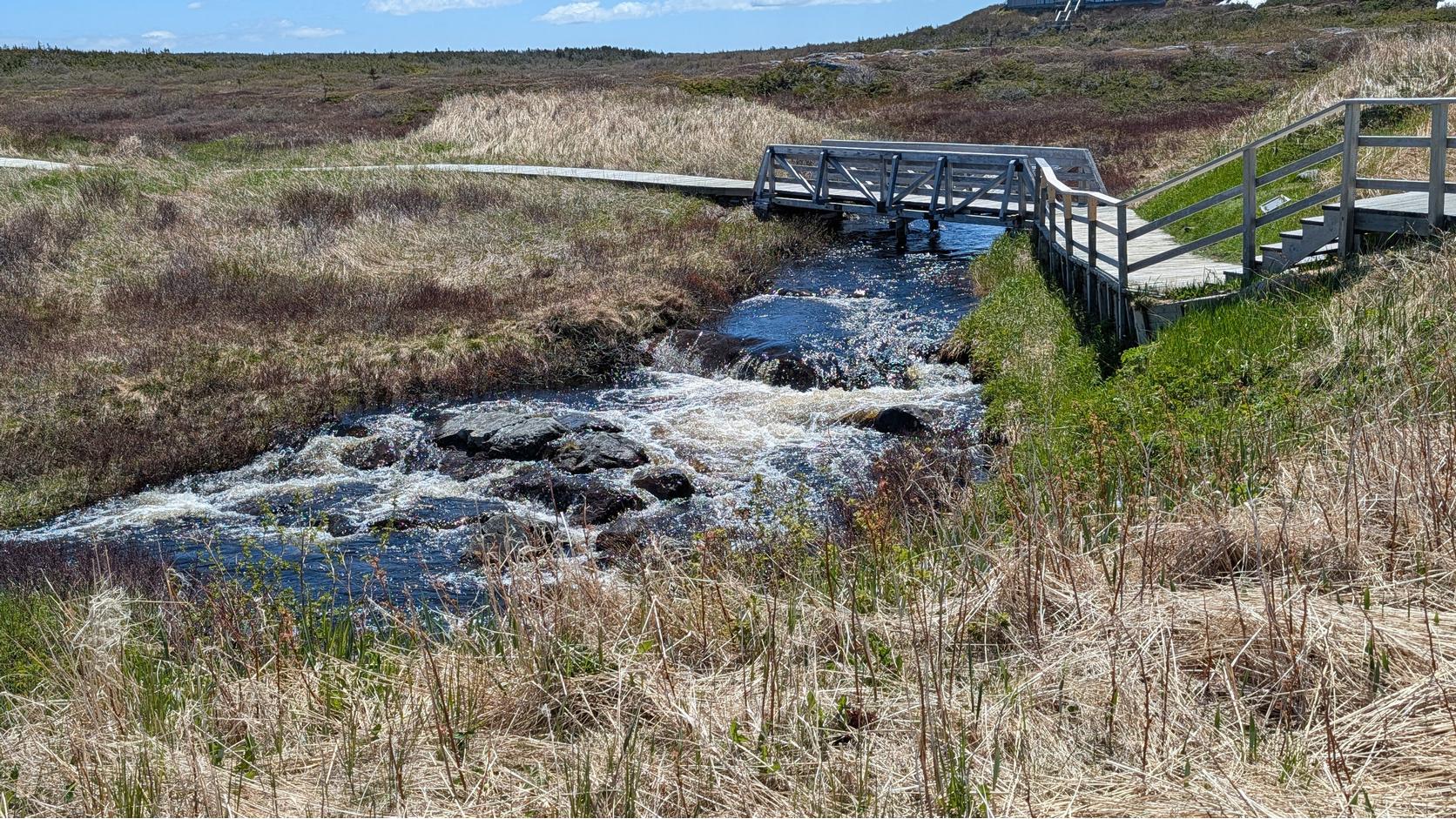
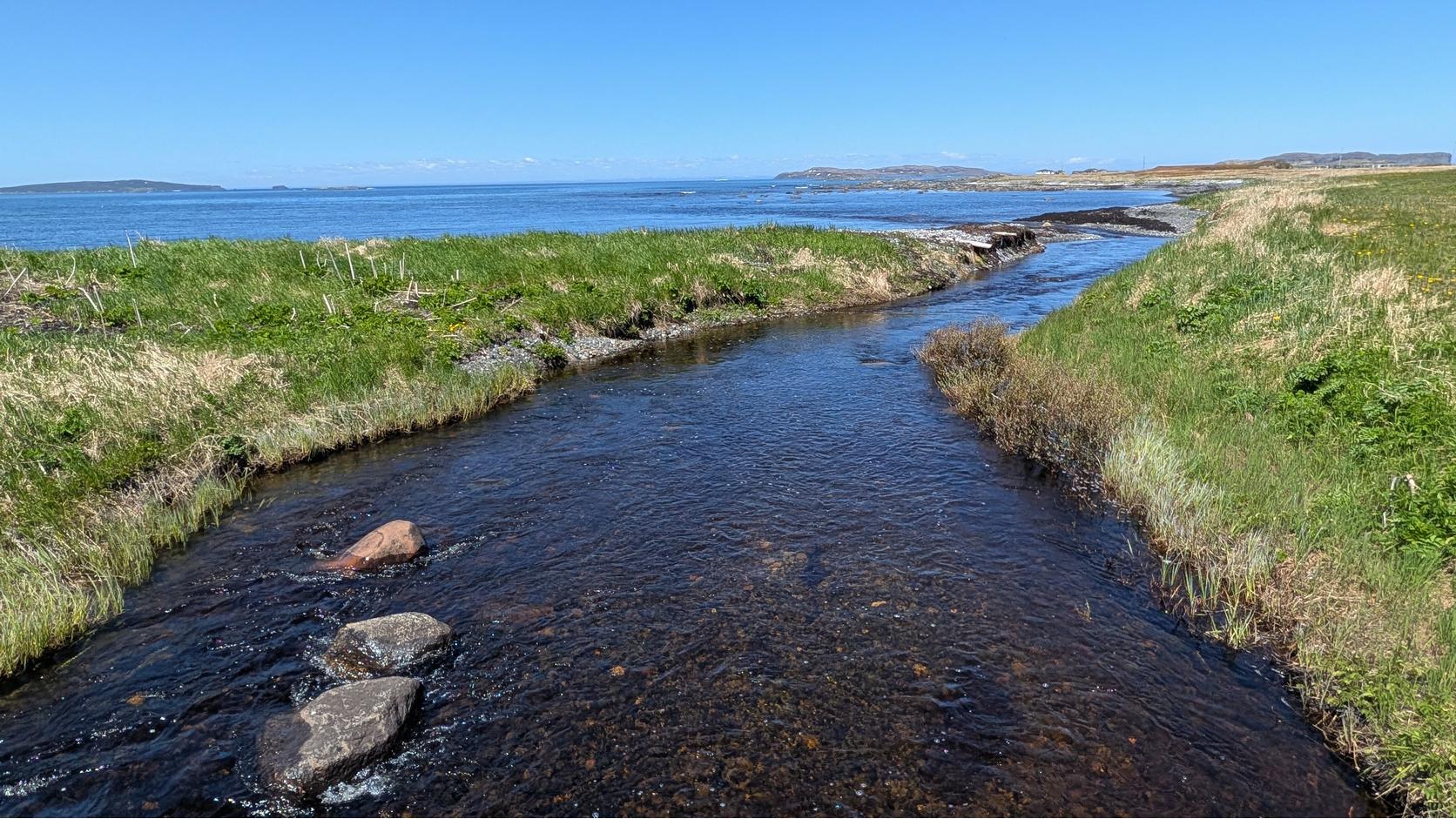
For us, L’Anse aux Meadows was more than simply another historic stop. Being able to walk through a place connected to such an early chapter of North American history made the visit especially worthwhile.
Wildlife Encounters Around St. Anthony
Along with the icebergs and coastal scenery, we had a few memorable wildlife encounters during our stay.
 While driving around the area, we spotted both a black bear and moose near the roads. Encounters like these are a good reminder to stay alert while driving, particularly along quieter stretches of highway.
But our most unexpected wildlife sighting happened on our final evening in St. Anthony.
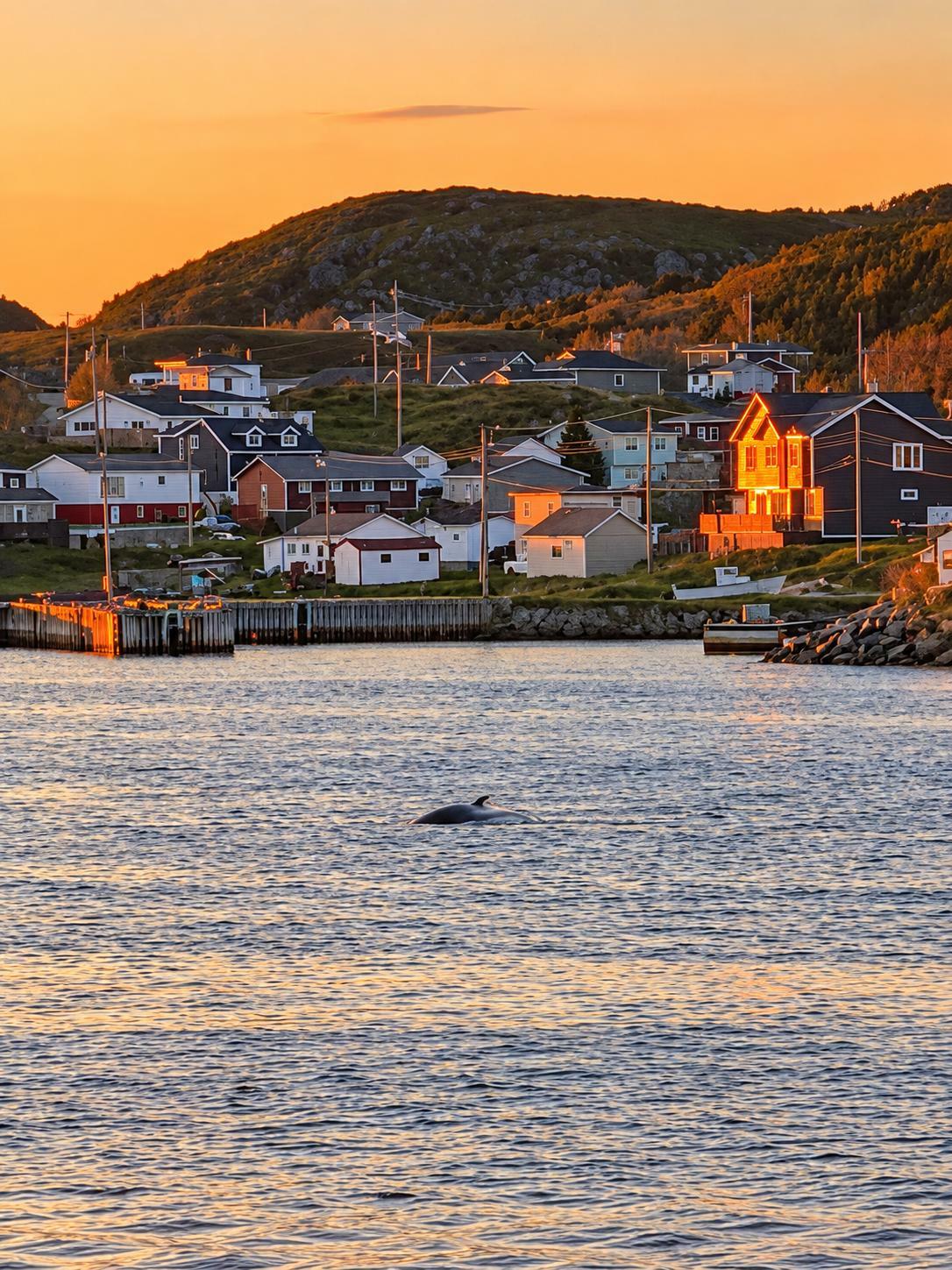
We were enjoying dinner at our vacation home when we noticed a whale surfacing offshore. Over the next several minutes, we watched as it surfaced repeatedly, giving us an unexpected opportunity to enjoy some whale watching right from our accommodations.
After arriving to find an iceberg outside our window, watching a whale offshore was the perfect way to end our stay in St. Anthony.
Planning a Visit to St. Anthony and L’Anse aux Meadows
St. Anthony makes a convenient base for exploring the northern end of Newfoundland’s Great Northern Peninsula. Although the drive north takes some time, the combination of coastal scenery, icebergs, wildlife, and Viking history makes the journey worthwhile.
If you’re planning a visit, keep a few things in mind:
- Allow enough time: We spent three nights in St. Anthony, which gave us time to explore Fishing Point, look for icebergs, and visit L’Anse aux Meadows without feeling rushed.
- Consider the season: Spring and early summer generally offer the best opportunity for iceberg sightings, although nothing is guaranteed.
- Check operating dates: Parks Canada’s visitor facilities and interpretation services at L’Anse aux Meadows operate seasonally.
- Expect changing weather: Coastal conditions can shift quickly, so layers and a windproof jacket are useful even during the warmer months.
- Have a vehicle: A car makes it much easier to explore Fishing Point, St. Anthony Bight, and L’Anse aux Meadows. Some smaller coastal roads may be rough.
Final Thoughts
Our three nights in St. Anthony turned out to be one of the most memorable parts of our Newfoundland road trip.
Between the icebergs scattered along the coastline, the dramatic scenery around Fishing Point, and the opportunity to explore the Viking history of L’Anse aux Meadows, there was plenty to keep us interested.
And of course, we’ll remember the two unexpected moments that bookended our stay: arriving to find an iceberg outside our window and watching a whale offshore on our final evening.
For anyone traveling Newfoundland’s Great Northern Peninsula, we’d certainly recommend making the drive north to experience St. Anthony and L’Anse aux Meadows.
Save for Your Newfoundland Road Trip
Related Newfoundland Posts